
Many Texas homeowners notice the same frustrating problem every year. One room in the house feels comfortable while another heats up quickly as the day goes on. You lower the thermostat, but the hot room still feels warmer than the rest of the house.
This issue is especially common in Texas where strong sunlight, warm temperatures, and long summers put constant pressure on a home’s insulation and exterior materials. When certain parts of the house heat up faster than others, it is usually a sign that something in the home’s structure is allowing heat to enter more easily.
If you are noticing rooms that get warmer faster than the rest of the house, scheduling a free estimate can help identify where heat is entering and what improvements may solve the problem.
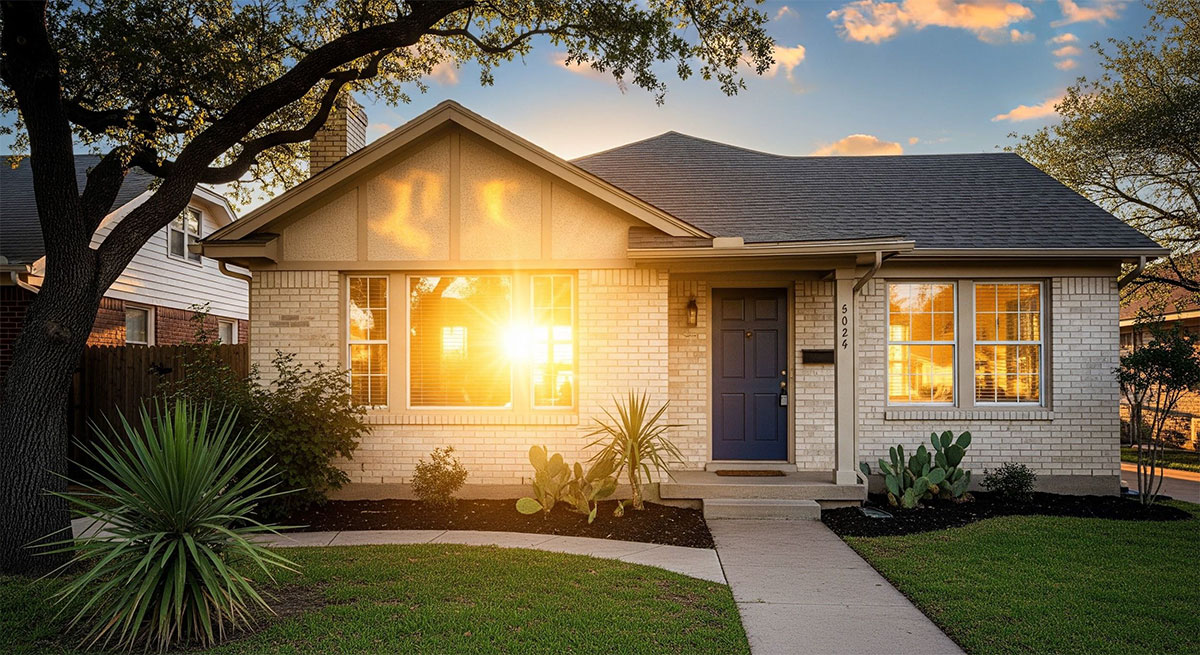
Texas home exterior with strong sunlight heating windows during warm weather
Sun Exposure Plays a Big Role
Rooms that face the sun for most of the day tend to heat up faster. In Texas, south and west facing windows receive the strongest sunlight during the afternoon. When sunlight passes through glass, it turns into heat inside the home.
Older windows allow more heat transfer, which causes these rooms to warm up quickly even if the air conditioning is running. Upgrading to energy efficient windows helps reduce heat transfer and block more solar heat from entering the home.
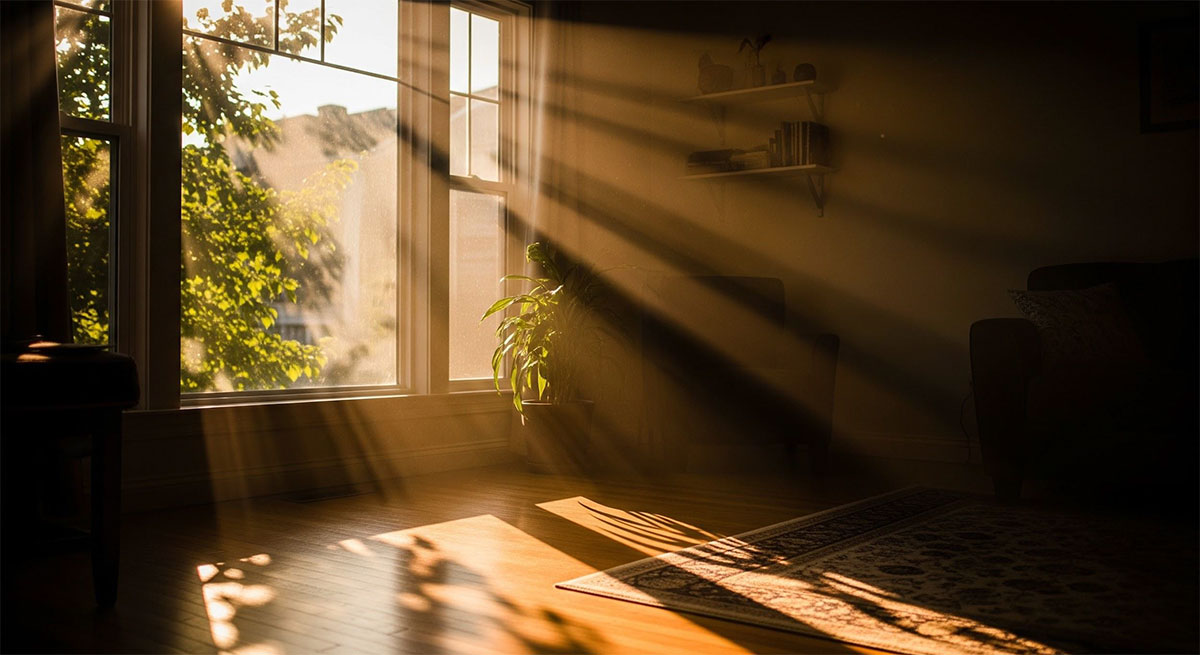
Texas home exterior with strong sunlight heating windows during warm weather
Poor Window Seals Allow Heat Inside
Even if windows look fine from the outside, worn seals or small gaps can allow warm air to enter. As temperatures rise during the day, outside heat pushes against these weak areas and slowly warms the interior space.
When one room has older windows and another has newer materials, the temperature difference becomes much more noticeable. Homeowners researching window replacement in San Antonio often find that replacing outdated windows helps balance temperatures throughout the home.
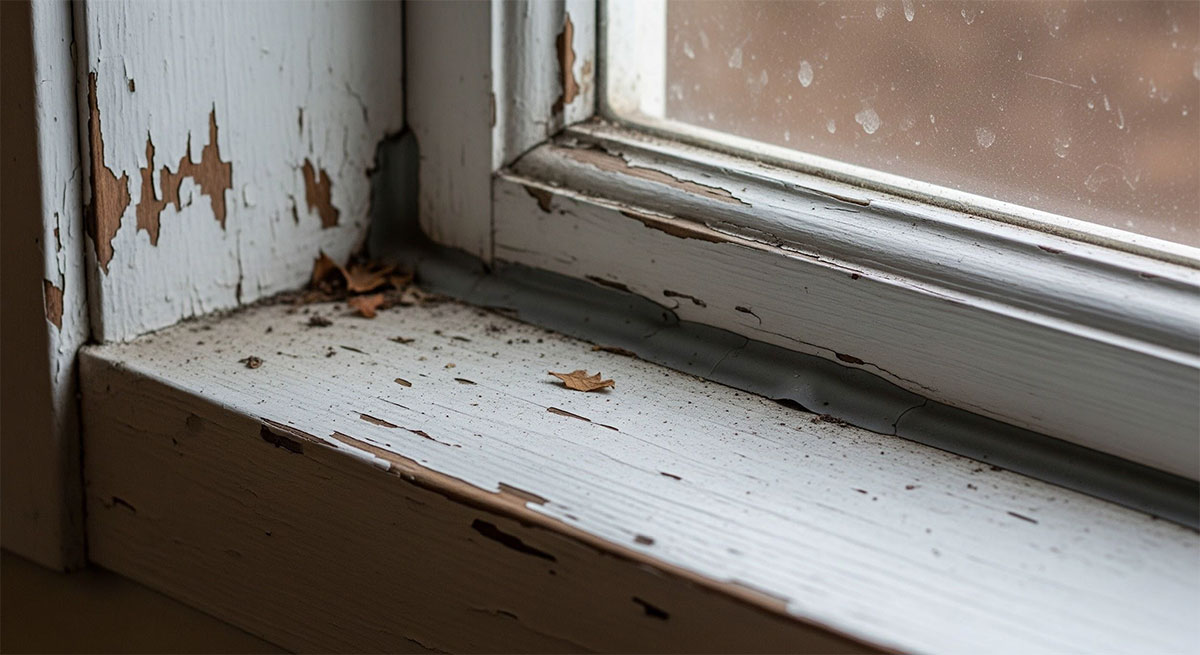
Close up of residential window frame showing aging seal
Insulation Affects Temperature Balance
Insulation helps slow down heat transfer between the outside and inside of your home. If insulation is uneven, compressed, or missing in certain areas, heat can move through the structure much faster.
Rooms located near attics, garages, or exterior walls are often the first to feel temperature changes. Improving attic insulation helps maintain more stable indoor temperatures and reduces how quickly certain rooms heat up during the day.
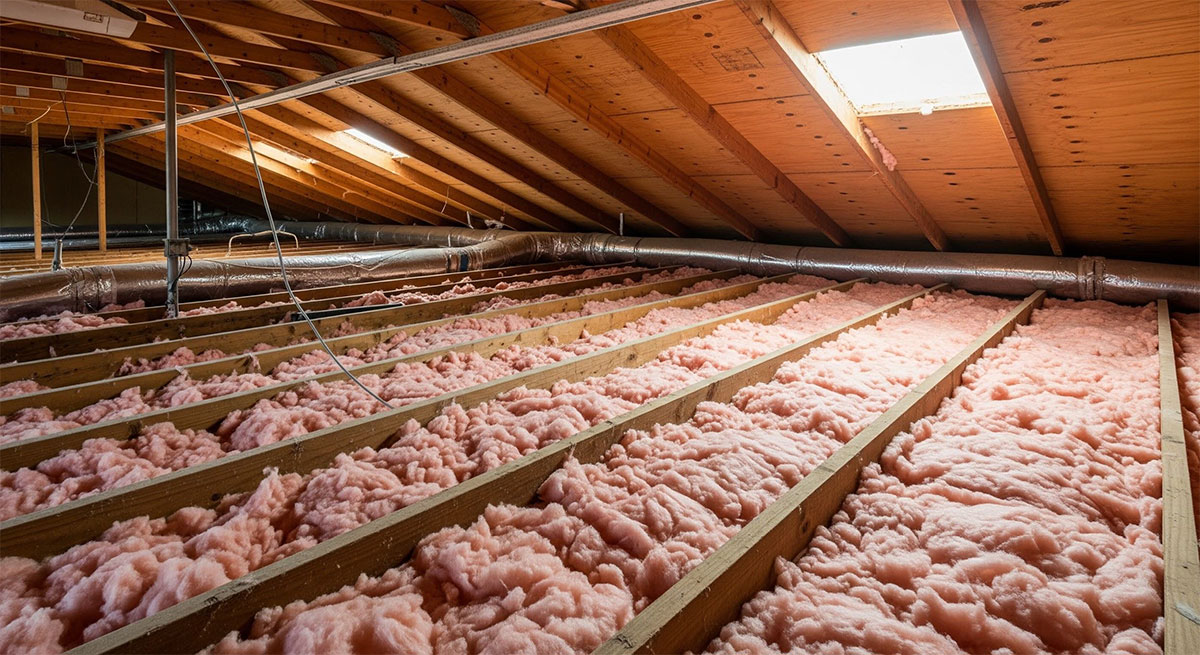
Attic insulation inside residential home helping regulate indoor temperature
Exterior Materials Impact Indoor Comfort
Your home’s exterior materials play a bigger role in temperature control than most homeowners realize. Siding protects the structure from outside heat and helps prevent hot air from moving behind the walls.
If siding is loose, aging, or damaged, outside heat can penetrate the exterior more easily. Many homeowners improve their home’s efficiency by upgrading to vinyl siding or exploring stronger materials like James Hardie siding that perform well in Texas weather.
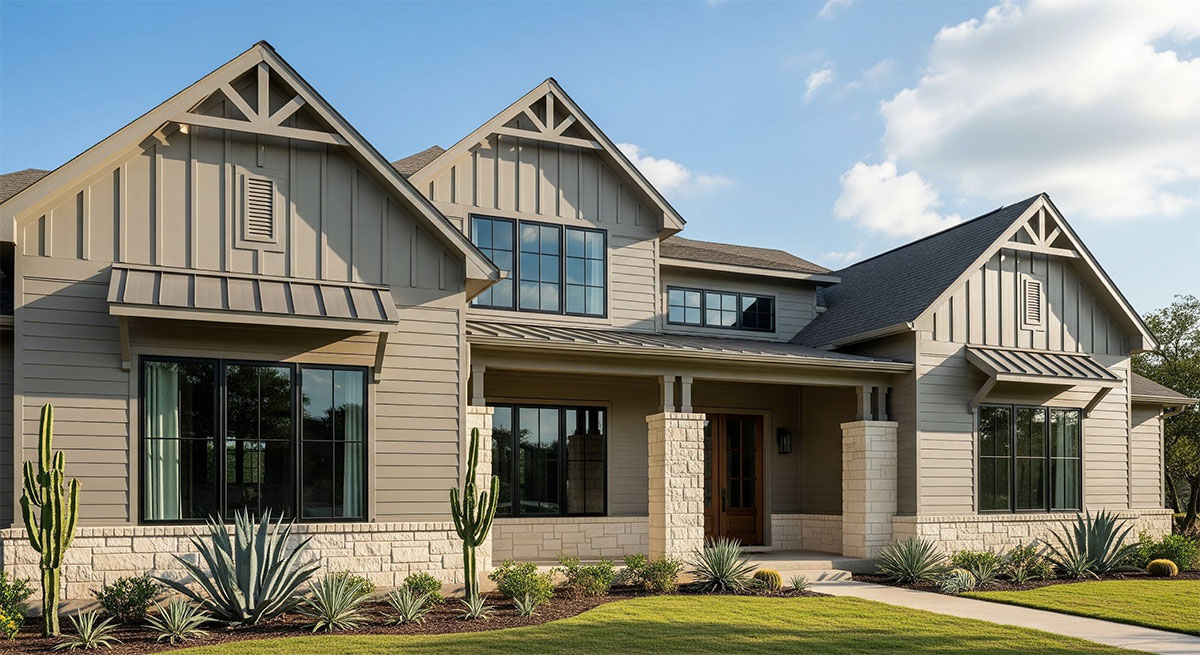
Texas home exterior with modern siding improving insulation performance
Entry Doors Can Create Warm Spots
Rooms near entry doors sometimes heat up faster than the rest of the house. When doors are poorly sealed, outside air enters easily and affects nearby living spaces.
Upgrading to ProVia entry doors helps improve sealing and insulation around the entryway. A properly sealed door prevents warm outdoor air from entering and helps maintain a more balanced indoor temperature.
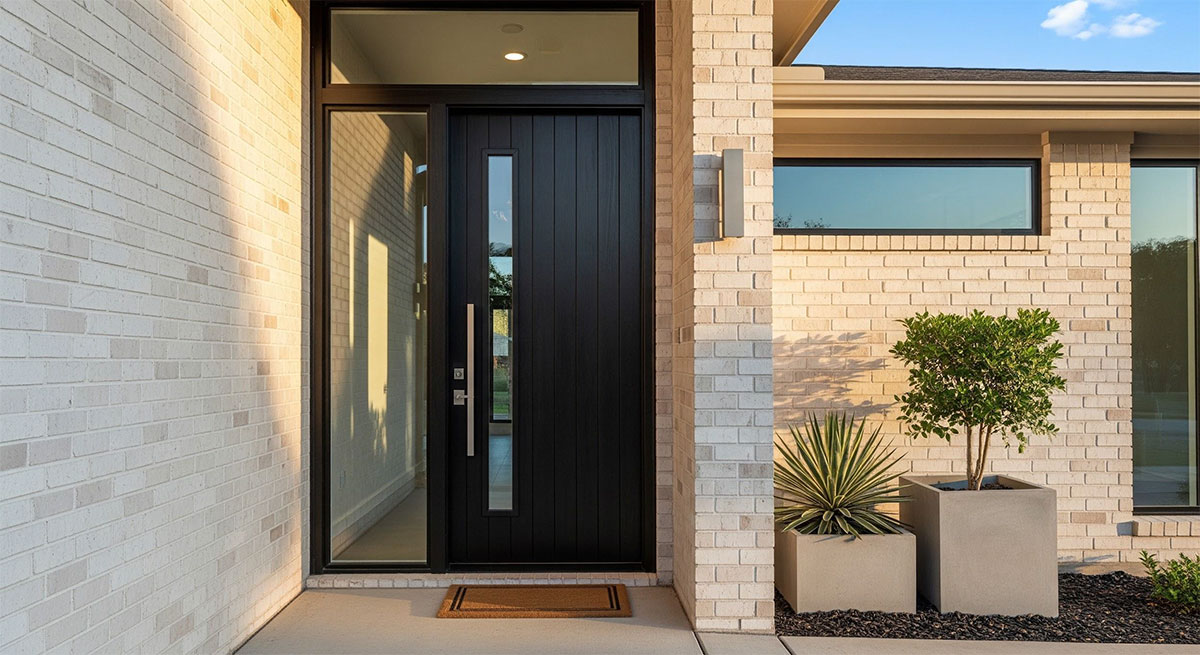
Modern insulated front entry door on Texas home
Small Problems Can Lead to Higher Energy Bills
When certain rooms heat up faster than others, the thermostat often responds by running the air conditioner longer. That can cause the rest of the house to become overly cold while still struggling to cool the warmer room.
Over time, this imbalance increases energy usage and puts additional strain on the HVAC system. Planning improvements early can help reduce these inefficiencies before summer heat arrives.
Homeowners often start by requesting an online quote or reviewing window financing options to plan upgrades comfortably.
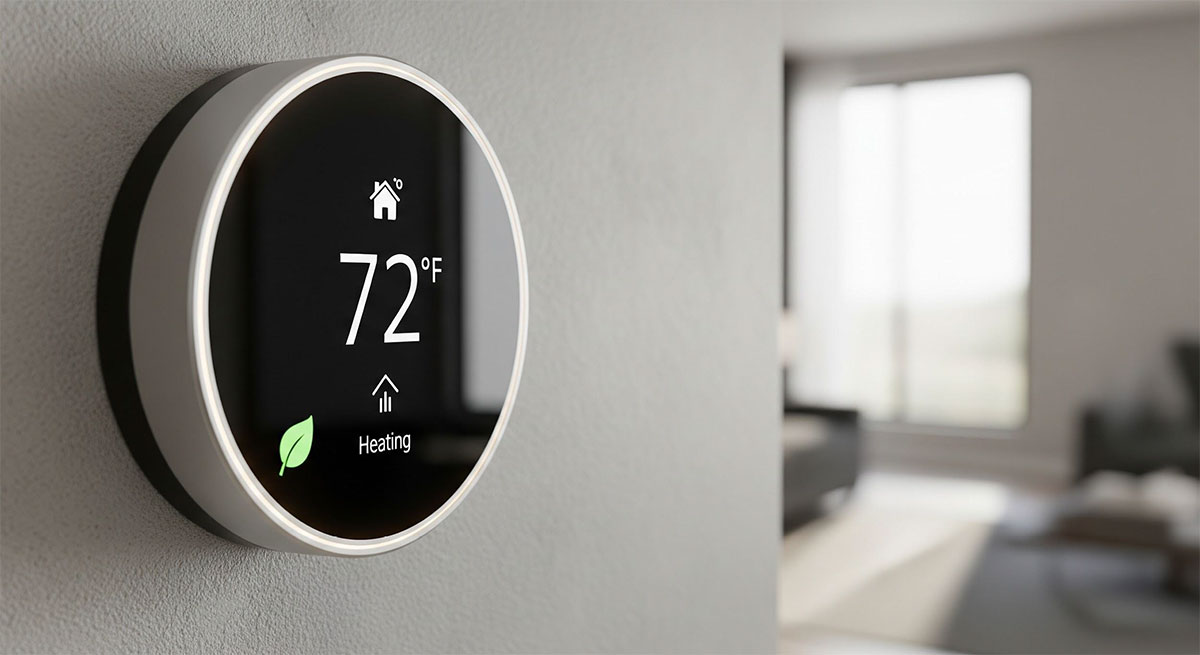
Smart thermostat controlling indoor temperature inside home
A Balanced Home Is a Comfortable Home
When windows, insulation, siding, and doors work together properly, your home maintains more consistent temperatures from room to room. Instead of fighting hot spots throughout the house, your cooling system can operate more efficiently and keep the entire home comfortable.
If you want help identifying what is causing uneven temperatures in your home, reach out through the contact page to speak with our team. Fixing the problem now helps your home stay cooler, more efficient, and more comfortable when Texas summer heat arrives.

Maverick Windows
Serving Dallas, Houston, San Antonio, Lubbock and surrounding areas
(800) 972-3631
https://maverickwindows.com