
Texas heat is not easy on homes. Long summers, intense sunlight, and constant temperature swings put pressure on almost every exterior material, especially windows. While many homeowners think about roofs or air conditioning systems when temperatures rise, windows often experience just as much wear over time.
The problem is that window damage usually happens slowly. Most homeowners do not notice the changes right away because the decline happens over years, not overnight. By the time issues become obvious, your windows may already be affecting your comfort, energy efficiency, and monthly utility costs.
If you are unsure how your windows are holding up, scheduling a free estimate can help identify signs of wear before they turn into bigger problems.
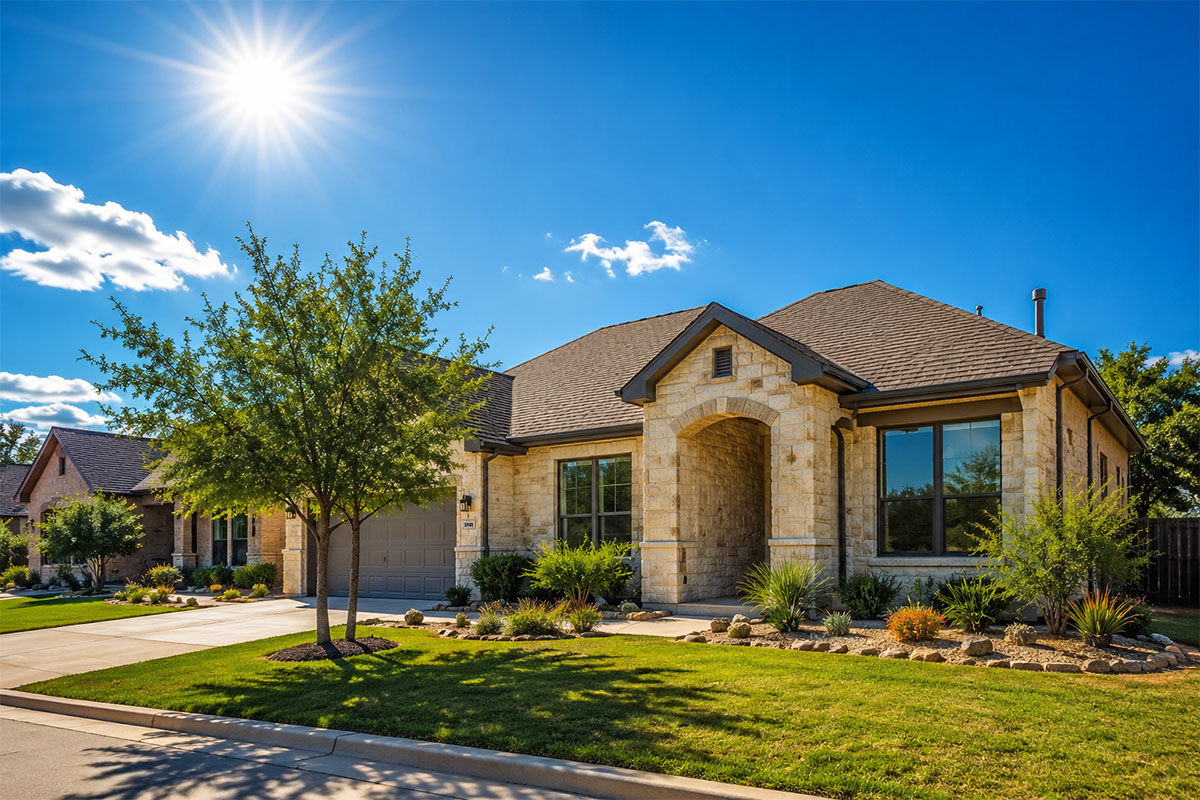
Texas home exposed to strong summer heat and sunlight
Heat Causes Window Seals to Break Down
One of the most common issues caused by long term heat exposure is seal failure. Modern windows rely on seals to keep outside air out and maintain insulation between glass panes.
In Texas, windows expand and contract constantly because of extreme temperature changes between hot afternoons and cooler nights. Over time, this movement puts stress on the seals surrounding the glass. Eventually, those seals begin to weaken and fail.
When seals fail, outside air and moisture can enter the space between the panes, leading to fogging, condensation, and reduced insulation performance. Homeowners researching window replacement in San Antonio often notice these issues becoming more common after years of exposure to Texas weather.
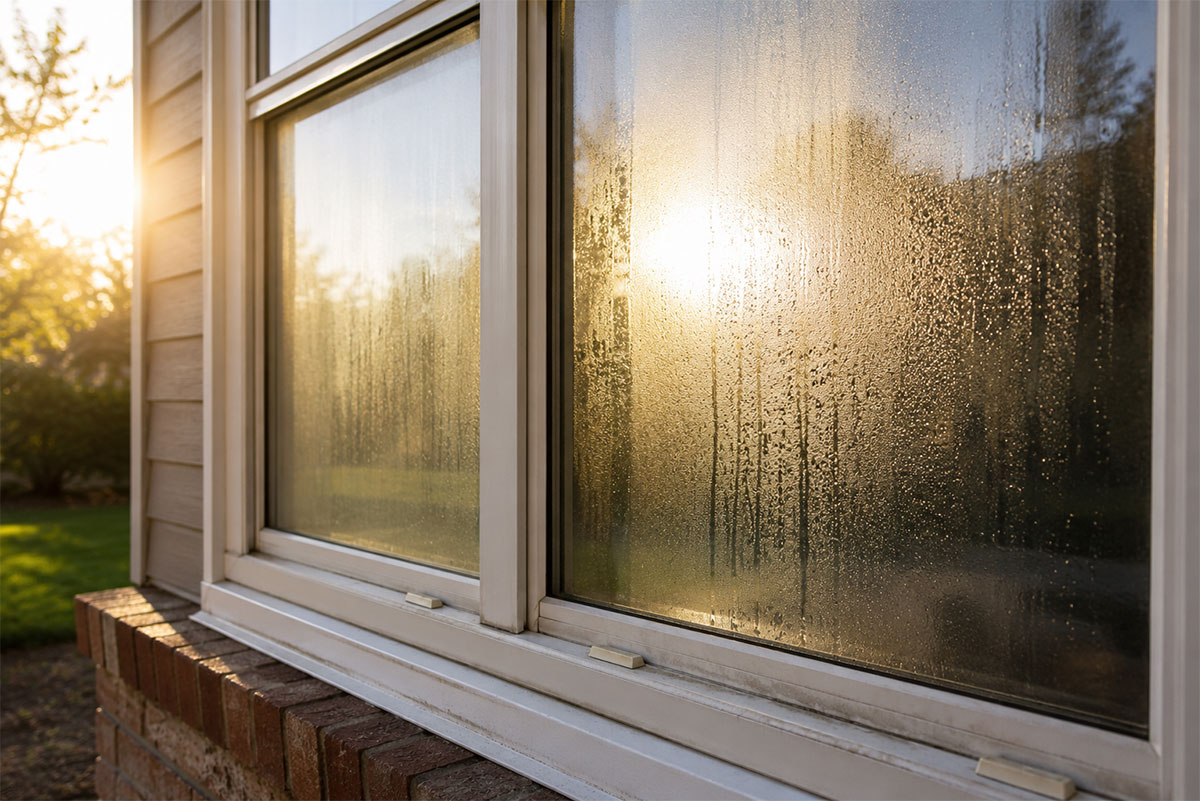
Foggy window with failed seal caused by long term heat exposure
Older Glass Allows More Heat Into the Home
Many older windows were not designed to handle modern energy efficiency demands. Thin glass and outdated materials allow solar heat to pass through more easily, especially during Texas summers.
As sunlight enters through inefficient windows, indoor temperatures rise faster and your HVAC system has to work harder to maintain comfort. Rooms with direct sun exposure often become noticeably warmer than the rest of the house.
Upgrading to energy efficient windows helps reduce heat transfer and block more solar energy from entering the home. Modern glass technology is designed specifically to improve comfort in hot climates like Texas.
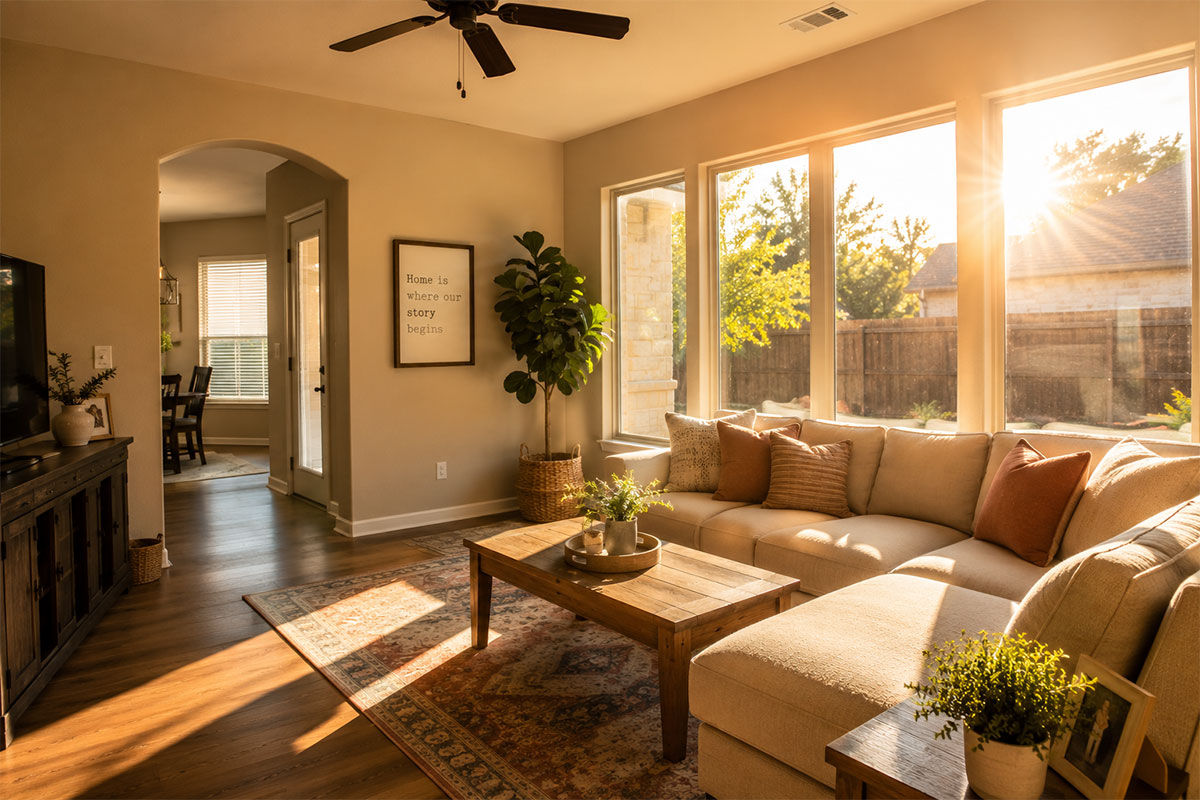
Sunlight heating interior room through older inefficient windows
Frames Expand and Wear Over Time
Heat affects more than just the glass. Window frames also expand and contract repeatedly over the years. This constant movement can weaken materials, create small gaps, and affect how well the window seals against the home.
As frames age, homeowners may notice drafts, difficulty opening or closing windows, or air leaking around the edges. These issues often start small but become more noticeable with each passing summer.
Poorly sealed frames allow cooled indoor air to escape while letting hot outdoor air enter, reducing overall efficiency throughout the home.
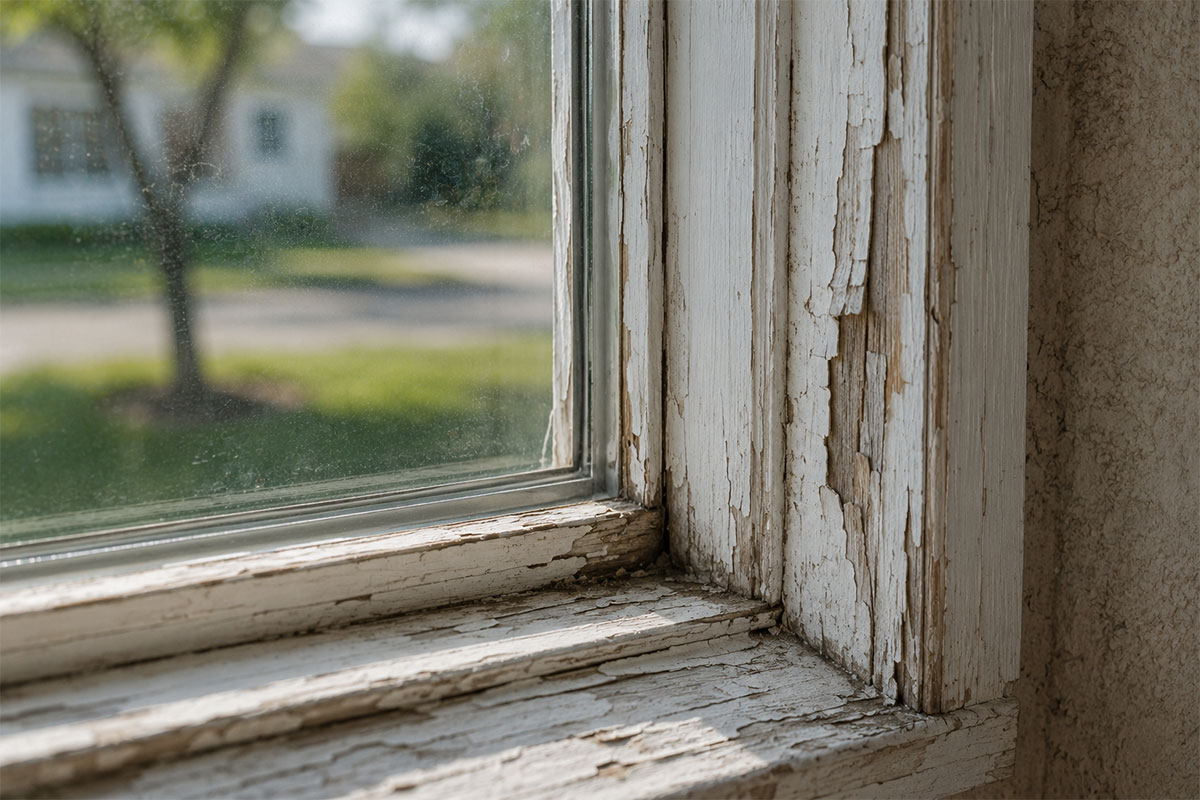
Aging window frame showing wear from years of Texas heat
Constant Heat Increases HVAC Strain
When windows allow too much heat into the home, your cooling system has to compensate. Air conditioners run longer cycles, turn on more frequently, and work harder to maintain indoor temperatures.
Over time, this added strain can increase energy usage and contribute to HVAC wear. What feels like an air conditioning issue is often connected to the windows themselves.
Many homeowners improve efficiency by combining window upgrades with attic insulation to help the home hold cooled air longer during extreme heat.
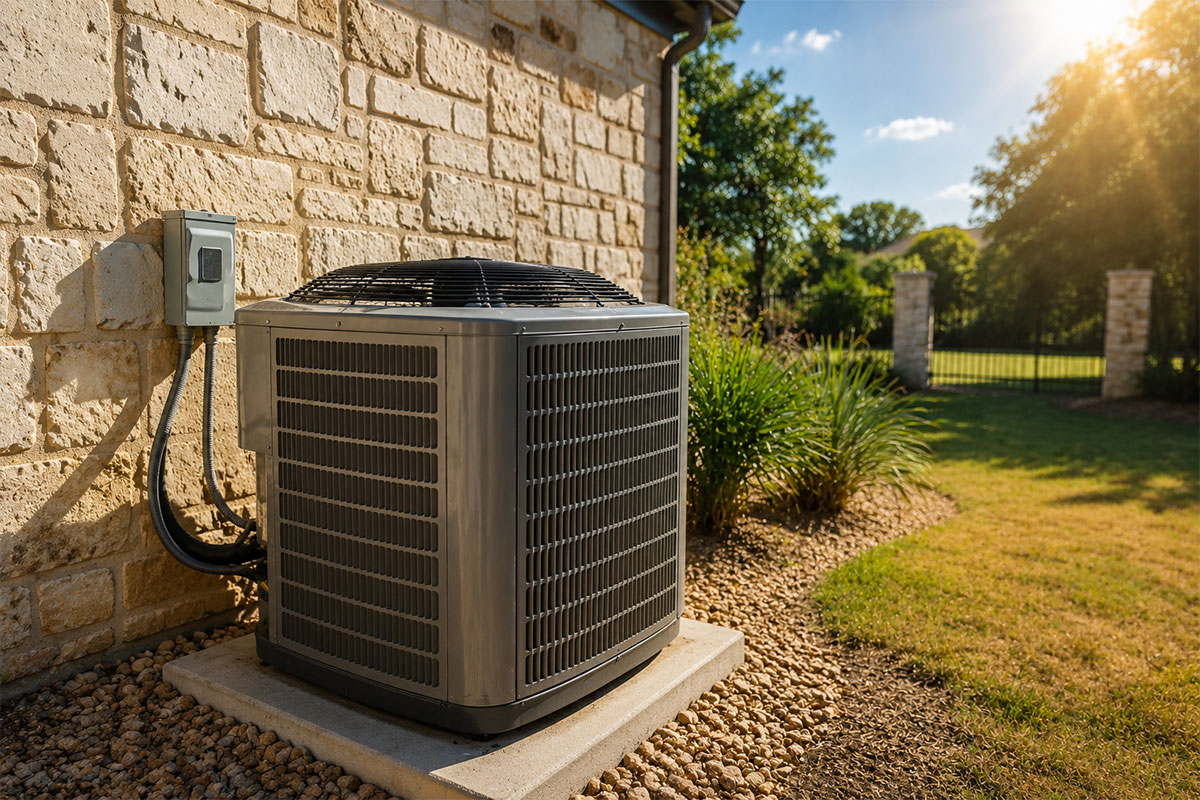
Air conditioning system working harder during extreme summer heat
Exterior Materials Also Take Heat Damage
Texas heat impacts the entire exterior of the home, not just windows. Siding materials expand under intense sunlight and can weaken over time if not properly maintained.
Homeowners looking to improve energy performance often evaluate exterior upgrades like vinyl siding or stronger weather resistant products such as James Hardie siding. Improving the exterior envelope helps reduce heat intrusion and supports overall comfort inside the home.
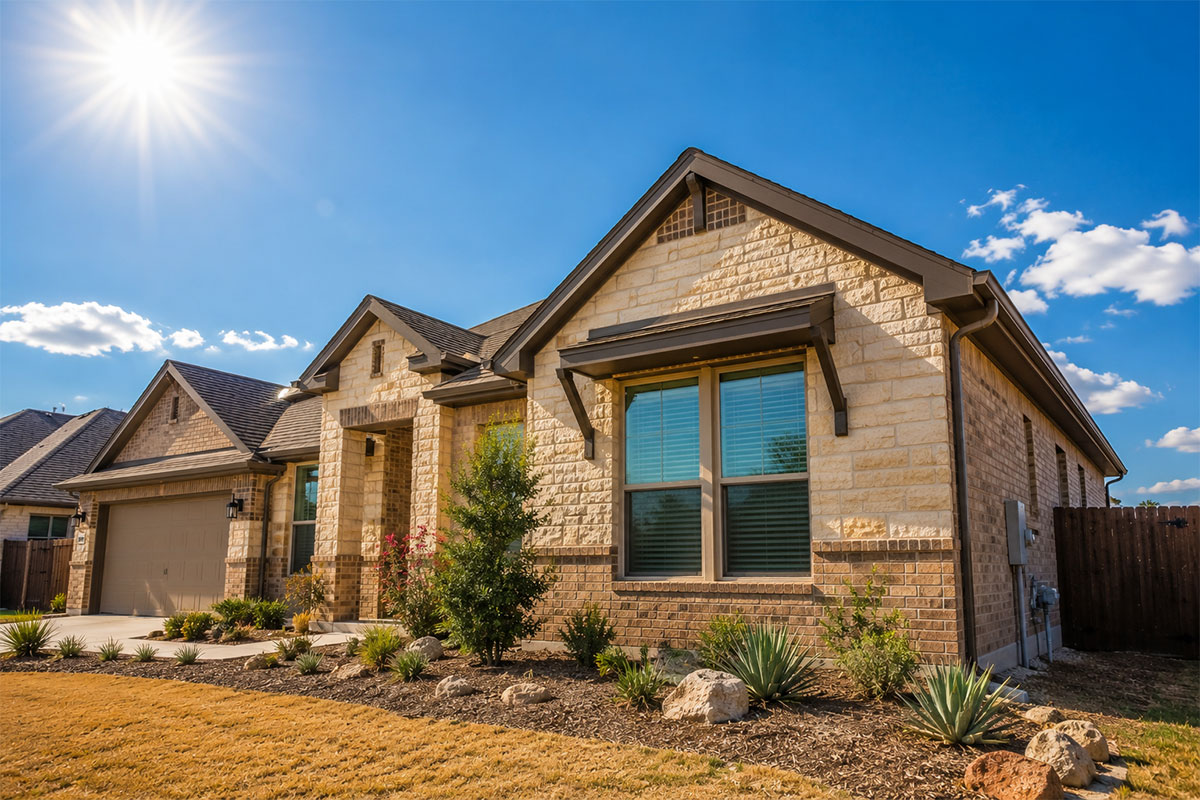
Texas home exterior exposed to prolonged summer heat
Waiting Too Long Can Cost More
Many homeowners wait until windows completely fail before considering replacement. Unfortunately, by that point they may have already spent years dealing with higher energy bills, uneven temperatures, and declining comfort.
The earlier issues are identified, the easier it becomes to plan upgrades before problems become urgent. Exploring options through an online quote allows homeowners to stay ahead of costly long term damage.
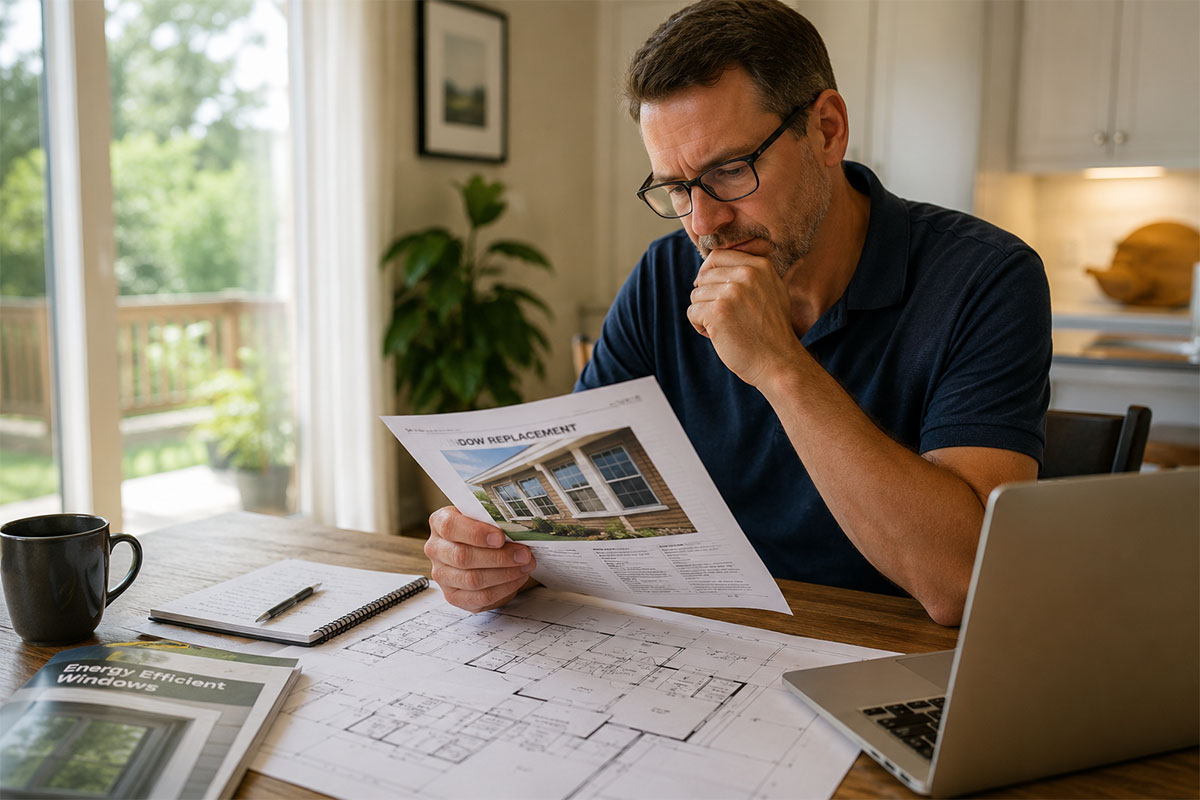
Homeowner planning window replacement before summer heat
Final Thoughts
Texas heat slowly wears down windows year after year, even when the damage is not immediately obvious. Failed seals, weakened frames, increased heat transfer, and rising energy costs are all common signs that your windows may be struggling to keep up.
Replacing aging windows before major failure occurs can improve comfort, reduce HVAC strain, and help your home stay more energy efficient during extreme Texas summers. If you have questions or want to explore your options, reach out through the contact page and learn what upgrades may work best for your home.
The longer your windows face Texas heat, the more important it becomes to make sure they are still performing the way they should.

Maverick Windows
Serving Dallas, Houston, San Antonio, Lubbock and surrounding areas
(800) 972-3631
https://maverickwindows.com